August 13, 2026
Breed Spotlight: The Greyhound
Greyhounds are calm, gentle, low-energy indoor dogs despite being the fastest breed on earth — most are happy with short daily walks and a couple of sprints rather than hours of exercise. They suit apartment living well, but need a securely fenced area for off-leash time, extra warmth in cold weather due to their thin coats, and careful introductions around small pets due to a strong prey drive.
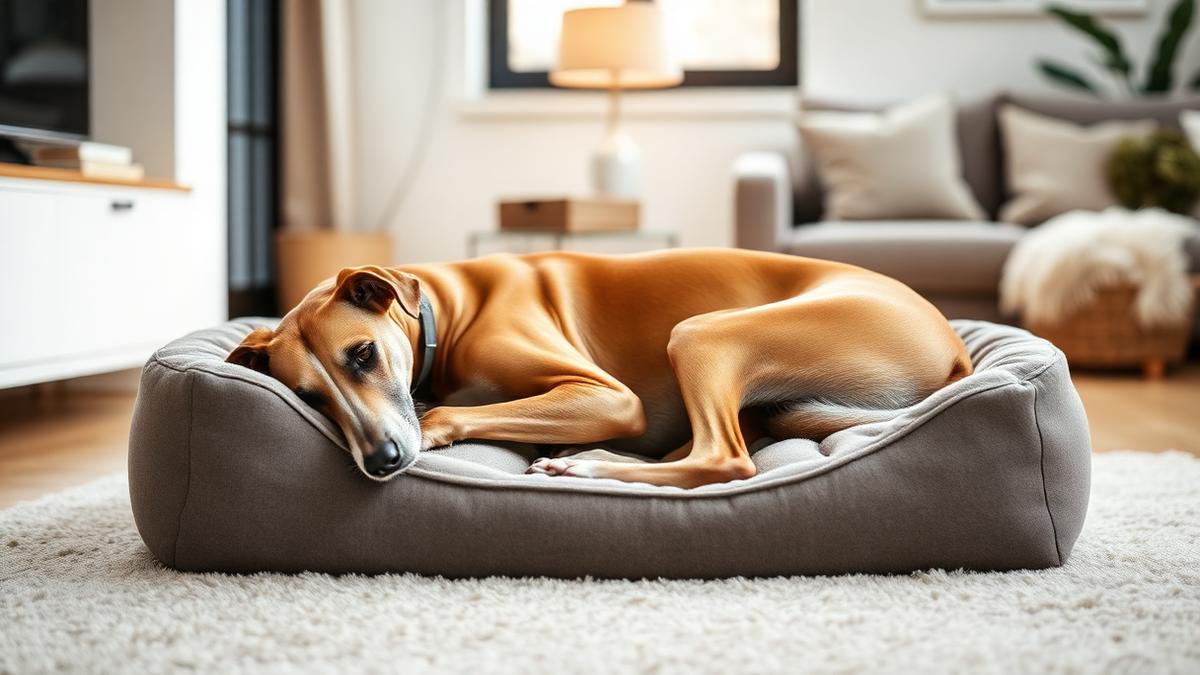
Greyhounds are calm, gentle, low-energy indoor dogs despite being the fastest breed on earth — most are happy with short daily walks and a couple of sprints rather than hours of exercise. They suit apartment living well, but need a securely fenced area for off-leash time, extra warmth in cold weather due to their thin coats, and careful introductions around small pets due to a strong prey drive.
Greyhounds have a reputation problem. Most people picture a racetrack blur and assume they need a marathon runner for an owner. In reality, greyhounds are often described by their fans as '45-mile-per-hour couch potatoes' — dogs who sprint hard for short bursts and then spend the rest of the day doing very little at all. Here's what actually makes a Greyhound tick, and the kind of home where they do best.
Greyhound temperament
Despite their racing history, Greyhounds are generally gentle, quiet, and affectionate dogs. Most are calm indoors, form close bonds with their people, and are known for being remarkably low-drama housemates — many owners describe them as more cat-like than typical dog in their preference for lounging on soft furniture for most of the day.
They also tend to be sensitive and somewhat reserved, especially around strangers or in chaotic environments. A Greyhound is more likely to quietly retreat from a loud, crowded room than to demand attention, and harsh handling or a tense household tends to unsettle them more than it would a more thick-skinned breed. Gentle, calm handling brings out the best in them.
One trait worth knowing upfront: many Greyhounds have a strong prey drive, a legacy of being bred to chase. This doesn't mean every Greyhound is unsafe around cats or small dogs — plenty live happily alongside them, especially with a careful introduction — but it does mean off-leash time in unfenced areas is generally not worth the risk, and introductions to small animals should be slow and supervised.
Greyhound exercise needs
This is where Greyhounds surprise people. They're the fastest dog breed, capable of reaching speeds around 40-45 miles per hour, but that speed is built for short sprints, not endurance. Most Greyhounds are satisfied with a couple of moderate walks a day and, ideally, occasional access to a securely fenced space where they can open up and run at full speed for a few minutes.
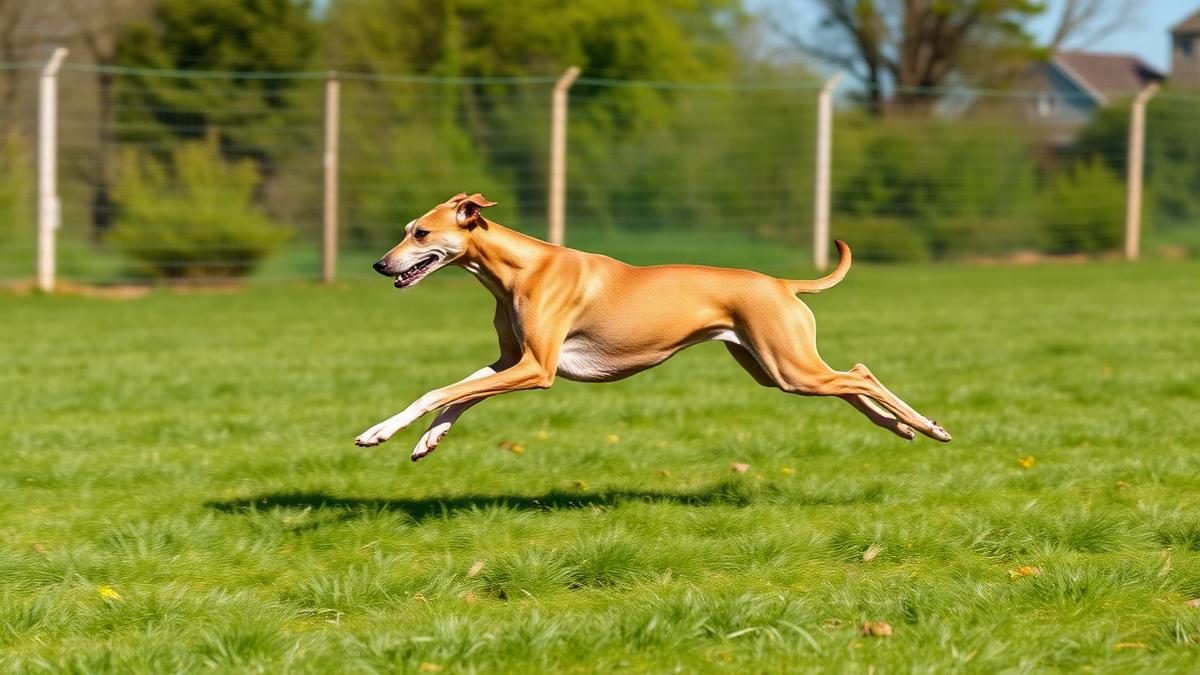
They generally don't need — and often can't sustain — the kind of prolonged running or hiking that some high-energy breeds thrive on. A Greyhound's exercise needs are more about quality bursts than quantity of hours, which is part of why so many adapt easily to a fairly relaxed daily routine.
Because of their thin build and low body fat, most Greyhounds are also sensitive to cold and benefit from a coat or sweater during winter walks, particularly retired racing dogs who may already be older and less able to regulate their body temperature.
What type of home suits a Greyhound
Greyhounds are one of the more apartment-friendly large breeds, largely because of their genuinely low indoor energy and quiet nature — most aren't big barkers. A soft bed or dog bed area (their thin coat and low body fat make hard floors uncomfortable) and a securely fenced yard or nearby enclosed space for the occasional sprint are more important than square footage.
They tend to do best in calmer households. A Greyhound can adapt to a home with older, respectful children, but the breed's sensitivity generally makes it a better match for a quieter environment than a high-chaos one. Many also don't love being left alone for long stretches and can develop separation anxiety, so a household with someone around for a good part of the day, or a plan for company during long absences, tends to suit them better.
Greyhound grooming and shedding
Greyhounds are about as low-maintenance as coat care gets. Their short, thin coat sheds lightly and needs only occasional brushing to stay in good condition. There's no clipping, trimming, or heavy grooming routine required — just the usual nail trims, ear checks, and dental care that every dog needs.
Adopting a retired racing Greyhound
A large share of Greyhounds available for adoption are retired racing dogs, typically between two and five years old when their racing careers end. Despite their track background, most transition well to home life and are already accustomed to routine, handling, and living around other dogs. Breed-specific Greyhound rescue and adoption groups are common and can offer detailed insight into an individual dog's personality, health history, and any specific needs before you bring them home.
Retired racers may need some adjustment to ordinary home experiences — stairs, slick floors, or glass doors can be unfamiliar at first — but most adapt within the first few weeks with patience and a calm introduction.
Who a Greyhound suits best
Greyhounds tend to be the right fit for:
- Apartment and city dwellers who want a large dog without high indoor energy.
- Calmer households without constant chaos or very young children.
- Owners who can provide secure, fenced space for occasional sprinting, even if daily exercise otherwise stays modest.
- People drawn to adopting an adult dog rather than raising a puppy, since many Greyhounds available for adoption are already past the puppy stage.
They're less suited to households with cats or small pets unless a careful, supervised introduction is possible, homes without any secure off-leash space at all, or owners hoping for a highly food- or toy-driven training partner, since Greyhounds tend to be more independent than eager-to-please breeds like Labradors.
A note on individual variation
All of this describes the Greyhound in general — but individual dogs vary, especially between retired racing Greyhounds and those bred purely as companions or show dogs. Prey drive, sociability with other animals, and tolerance for handling can differ meaningfully from one dog to the next based on their history and socialization. Meeting the actual dog — ideally through a breed-specific rescue that knows their background — is still the best way to know if it's the right match.
Curious whether a Greyhound fits your life? Take the 2-minute quiz and find out.
Still comparing breeds? Read our guide on how to choose the right dog or our Labrador Retriever spotlight for a very different kind of companion.
And once you've found your match, our guide on preparing to bring a new dog home covers what to do next.
Guidance only — every dog is an individual. Always meet a dog, talk to reputable breeders or rescues, and consider adoption first.